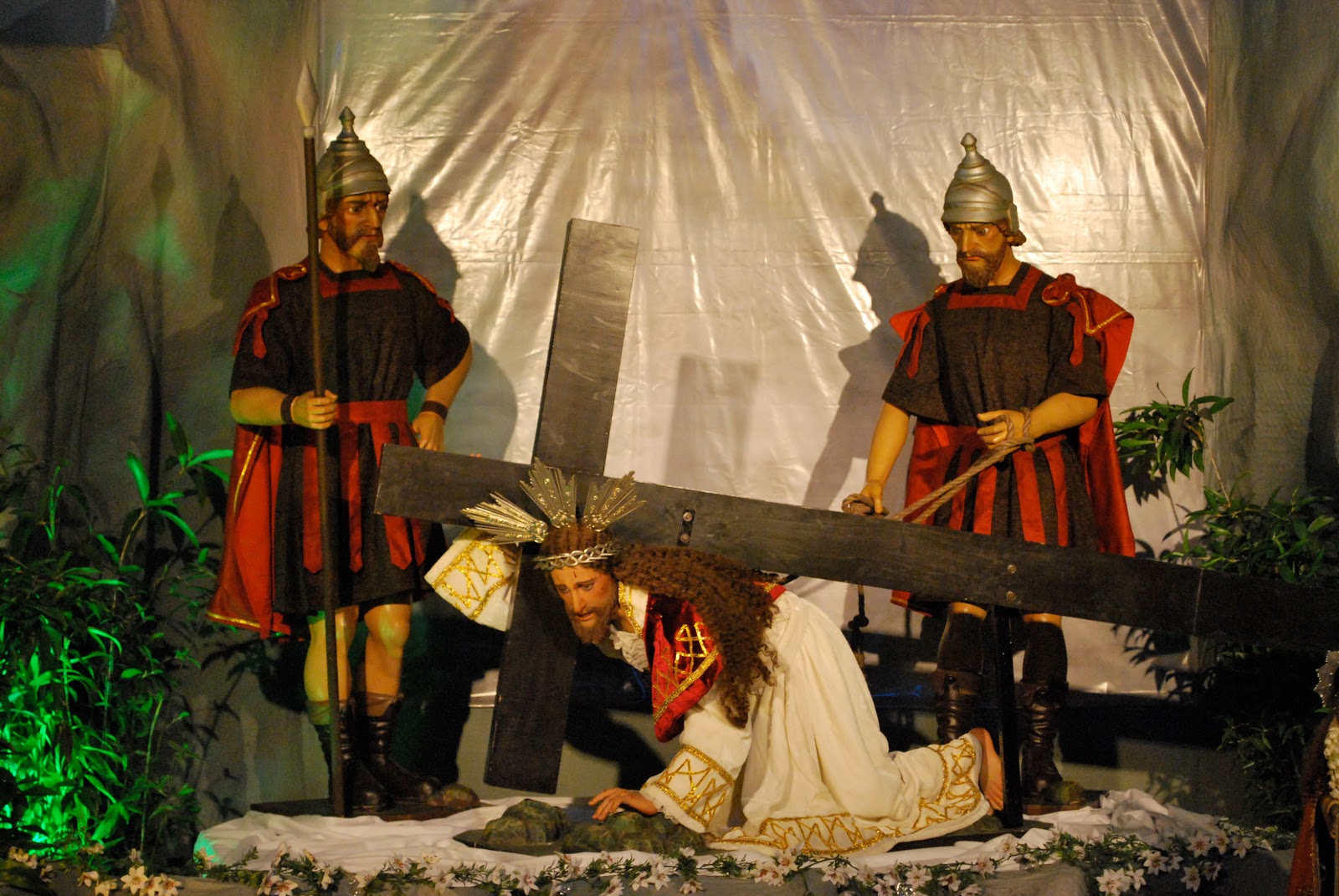
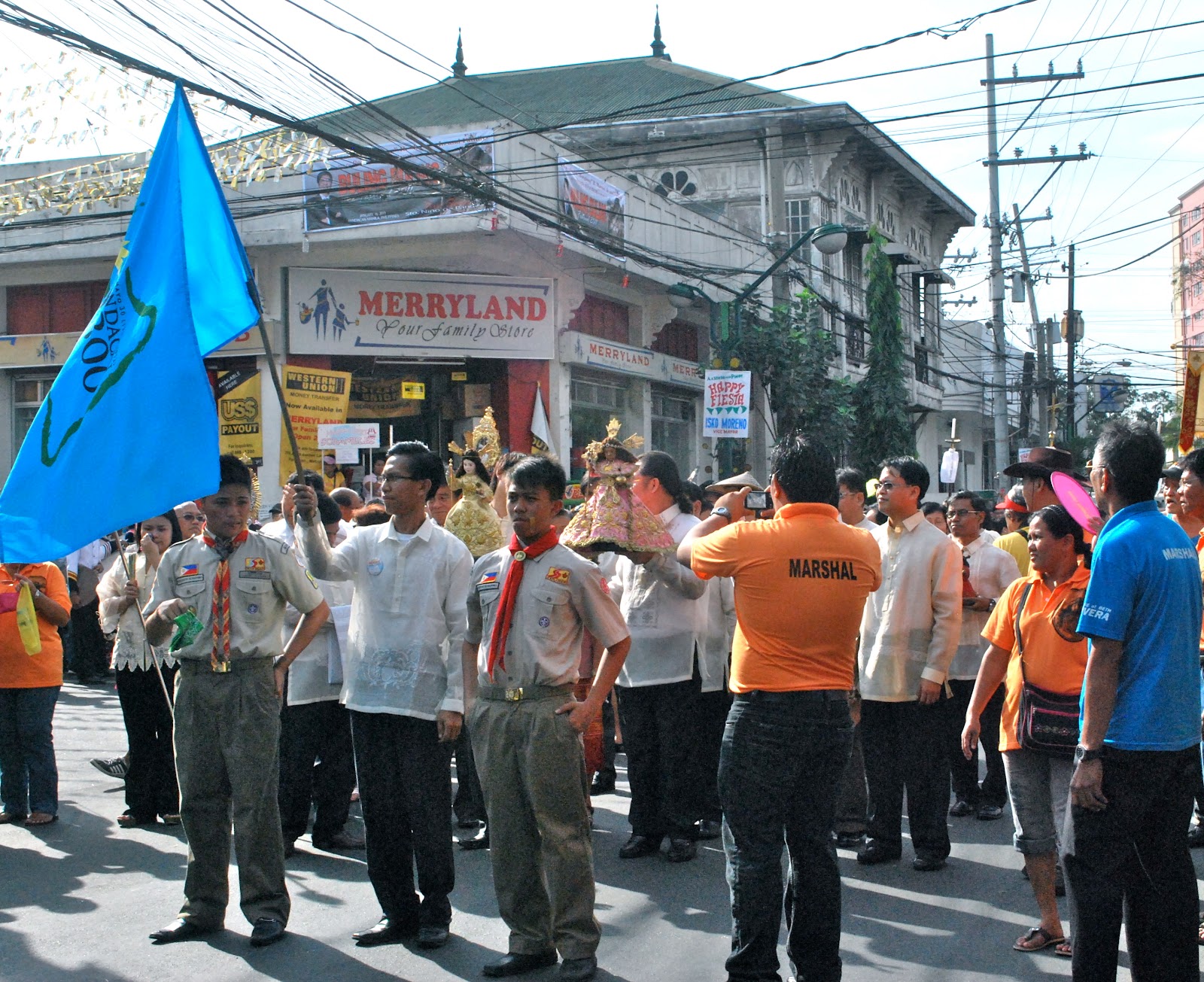
Tuesday, June 12, 2012

CHASING HISTORY: Aguinaldo Mansion

The House where Philippine Independence 
was declared

One of the things that I try to do during the anniversary of the declaration of Philippine Independence, is to go and visit historical places.  It is a wonderful adventure that I enjoy as it affords an opportunity to learn history by visiting the place where it took place, feel the significance of the day, and rekindle that pride of being Filipino.

Manila is quiet lucky that within the metropolis itself and in nearby provinces, there are a lot of heritage sites, some of which have figured significantly during the Philippine Revolution.  We are also fortunate  that the place where our independence was declared, is still intact.  A reminder of what it took for us to gain our freedom.

The Aguinaldo Mansion in Kawit, Kavite is just a little over an hour away from the metropolis.  Still a lot of people have not realised the importance of this heritage site and many have not really visited it.  If there are heritage sites that are a must see, this one comes second to the Rizal monument followed by Fort Santiago and  the EDSA Shrine.  A visit to this house is a wonderful learning experience as it has a lot of stories to tell.  


This is what one will see as one approaches the Aguinaldo Shrine

Two years ago, on June 12, I went on an adventure to visit heritage sites that may have connection to our country's struggle for independence.  I started before breakfast time by catching the traditional flag raising ceremonies at the Bonifacio Monument in Kalookan.  From there, I went to Kawit, Kavite to tour the Aguinaldo Mansion, and finally ended my day at Luneta Park where the Rizal Monument was.  This was my 4th visit to the Aguinaldo Mansion, and the place continuous to fascinate me.  


The Hall of Independence comes alive only June 12 of every year, though it is open Tuesdays to Sundays.  It is a historical museum administered by the National Historical Commission of the Philippines (NCHP).  Even if the NCHP is the administrator of the shrine, the descendants of the Aguinaldo Family are involved in its operations.  There are 2 historical markers installed in the shrine.  The one on the left below is found at the entrance to the compound.  While the one on the right below can be found as one will exit the compound.  It is installed near the balcony of the mansion and was unveiled during the Philippine Centennial celebrations.


The Aguinaldos come from the upper middle class family.  In the early 1900s, Gen. Aguinaldo owned the first Cadillac this side of the country.   

The mansion may not be in its original state now compared to the time when the Philippine Independence was declared.  Reason being is that Gen. Aguinaldo made a number of additions and renovations after the turn of the 20th Century.  

Gen Aguinaldo's cadillac
The first floor of the mansion used to be an accesoria during the colonial Spanish period.  At the turn of the 20th Century, it was turned into a leisure and fitness area by Gen. Aguinaldo, a known fitness buff. This is where you will find a 2-lane tenpin bowling alley.  A private bowling facility, it is the first of its kind this side of the country during its time.

Today, the first floor of the mansion houses a museum that explains our country's struggle for independence.  It contains artifacts coming from the Aguinaldo collection.


The 2-lane tenpin bowling alley

The diorama on the right portrays Aguinaldo and his brother being inducted into the secret society, the Katipunan, and pledging allegiance in front of the cross.  The Katipunan also became a precursor to the masonry in the Philippines.

There is a holographic audio-visual film that is shown in the museum that tells the story of the events leading to the declaration of independence.  It explains that though the country may not have been very ready during that time, as everybody would want it, the freedom fighters and leaders were put in a no-choice situation.  This is because of the arrests being made by the colonial authorities on the members of the Katipunan.  Thus the reason why they declared independence.  It may also be a strategy to consolidate their forces, gain more following from the people and protect themselves.  Watching the film, I finally understood the long running question I had on my mind regarding the declaration of independence.  It did put into context why Philippine Independence have to be declared at such a crucial time.

A photocopy of the original document of the declaration of Philippine Independence.  The original copy is supposed to be in the NCHP 


The Act of the Declaration of Independence (see the photocopy above)  was prepared, written, and read by Ambrosio Rianzares Bautista in Spanish. The Declaration was signed by ninety-eight people, among them an American army officer who witnessed the proclamation. [SOURCE:  http://en.wikipedia.org/wiki/Philippine_Declaration_of_Independence]

A photocopy of "Hymno Nacional" by Julian FELIPE.  This did not have lyrics and the lyrics in the present national anthem was an addition after around 3 years


One of the versions of the Philippine tricolors

It is said that there were several copies of the Philippine flag that were made.  The present flag is said to have been the one approved by Gen. Aguinaldo and evolved in its design from the original copy.  That design is also the favourite of the General.  

Going through the museum, it is sad to note that the artifacts displayed are slowly deteriorating as can be observed in the picture.  This is because of humidity, dust and elements they are exposed to since the place is not airconditioned and doesn't have controlled temparature.

Gen. Aguinaldo's camping equipment which he used during campaign battles and when he was hiding from the US Scouts out to arrest him

Bumped into former President Fidel V RAMOS.  He claims he makes it a point to visit the Aguinaldo Shrine every June 12.  He said it is important for Filipinos to see the shrine so that they will understand the struggle it took to win our freedom.  He was giving history lessons to the visitors who were there when I caught up with him.


The grand staircase leading to the 2nd Floor
Gen. Aguinaldo's study.  Notice the carabao backrest in his study chair

The main sala with an old Chinese flower pedestal.


The carvings at the ceiling of the main hall, below.  On the left is a representation of the sun, while on the right is Madre Filipinas. 


The center doorway on the picture above opens up to the balcony.  The balcony was added after the turn of 20th Century (1900) only.  It used to be a window and marks the exact spot where the Philippine tricolors was unfolded Philippine Independence was proclaimed.


The main dining hall where Katipunan meetings were held.  The map above are used the meetings and the provinces are colour coded

The comedor
The pantry is pictured below.  The Aguinaldo Mansion used to be the only house in this parts of the country that has a cold storage or the equivalent of a refrigerator.  These are the 2 boxes just below the stairs on the left picture below.  The stairs leads to the servants' quarters.


The bench in front of the pantry has a backrest that serves as a hidden cabinet.  This is where they hide the secret documents after their meetings or in case there are uninvited visitors to the house.


Gen. Aguinaldo's room.  This is where he he died in 1964.  It is said that behind his pillow on his death bed, he kept his favourite version of the Philippine Flag.  It is that flag which is kept now in the Aguinaldo Museum in Baguio by his descendants.


The rooms of Geen. Aguinaldo's daughters, above.  Below is the guest room.


The azotea at the back of the house


At left is a modern bathroom with water closet.  Some of the fixtures may have been added after the war.  However, it shows the kind of lifestyle that they have.  At right is the family medicine cabinet or 'botica'.  It is well appointed.

Below is a bottle I found inside the family medicine cabinet.  Even the General was a victim of medical error way back in 1920.  The sinage tells the story.  I was surprised that verified medical errors can date back as far as the early part of last century.

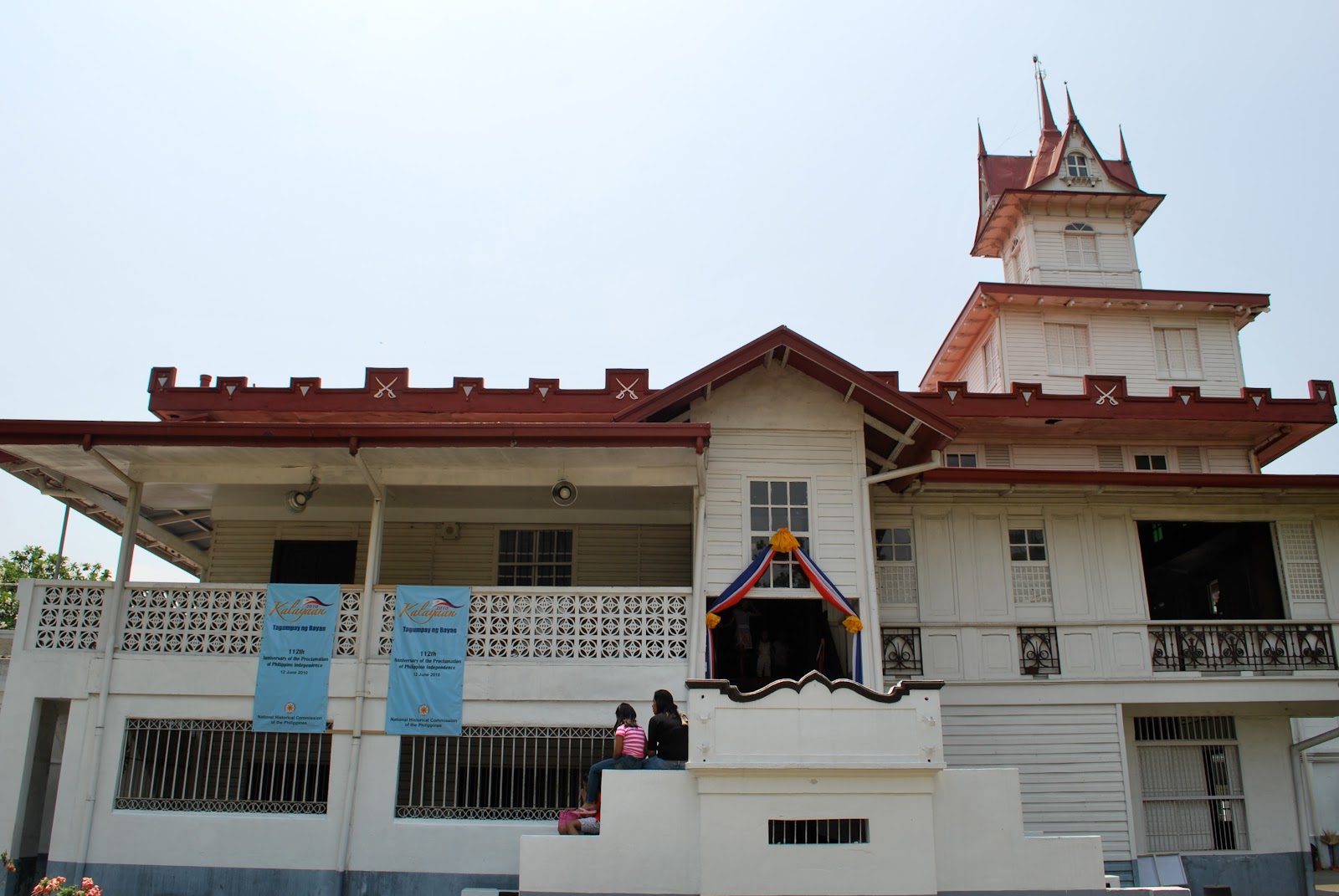
The rear portion of the Aguinaldo Mansion.

Gen. Aguinaldo's final resting place at the back of the mansion.  He specifically asked to be buried within the mansion grounds and may have selected this spot himself.  He died on February 6, 1964. 

Aguinaldo was the youngest person to become the country's president (became President at 29).  He was also the longest-lived president (having survived to age 94) and the only president to have outlived the most number of successors.  During his lifetime, he saw freedom being snatched by the Americans from our fledging republic, collaborated with the Japanese during the occupation years, saw our country ravaged by war and was arrested by the Americans after the war.  He lived long enough to have witnessed them all.  He was 77 years old when the Americans finally recognised Philippine Independence.   In 1962 the celebration of the Philippine Independence Day was changed from July 4 to June 12.[n 2] Aguinaldo rose from his sickbed to attend the celebration of independence 64 years after he declared it.


The balcony where the Philippine Independence was declared and its details below.  Notice the propensity on the use of national symbols as a decor, like the carabao.  The carabao seems to be a favourite of the General since it appears the most number of times all over the mansion.


The bust of Gen. Aguinaldo at the museum.

  The plaza in front of the Aguinaldo Shrine.


The monument of Aguinaldo signifies that he died of illness and not during war.  This is symbolised by one of the hoofs or foot of the horse, which is lifted.

The Aguinaldo Mansion is an interesting place to visit, because of its place in history.  It provides one an invaluable history lesson and an understanding of the struggle involved to gain our freedom.  

Hopefully, after visiting the place, one will be able to appreciate more the freedom that we now have, and cherish it.


Getting There

The Aguinaldo Shrine can be reached via private or public transportation.  Depending on traffic conditions, it takes 1 hour to go to the shrine with reference point from the Redemptorist Church in Baclaran.

  • VIA PRIVATE VEHICLE:  Take the Manila-Cavite Expressway.  After the Covelandia Rd junction, take Tirona Hiway, following it straight towards the town proper.  Look for the Aguinaldo Park and you will not miss the mansion that is in front of it on your left side
  • VIA PUBLIC TRANSPORTATION:  Across Redemptorist Church in Baclaran, take an aircon bus going to Cavite City via Kawit.  Between 30 minutes to 1 hour, you will reach Kawit.  Watch out for the Aguinaldo Park and you will not miss the mansion that is in front of it on your left side.  The bus passess in front of the park.


We're back!

It has been a little more than a year since the last posting on this blog.  This has been parked for quiet a time as we grappled with our load and being able to post things at a relevant time.  As the days went through, I realised that I have passed on a lot of opportunities to share significant events I would have wanted to post about.  There was that hunger to share things, to communicate them through a blog.  I wanted to write and I want to have a live blog.  I had read with envy other blogs that have had regular postings no matter how short.  If others can do it and come out with a simple blog, I know I can.


It is with this idea that we now continue what we have started.  I choose not to relaunch but just continue with a new post.

Just to signify that there are changes, I changed the picture in the mast head as well as the background.  But the theme and the content would be the same but would continue to improve.  Moreover, our postings here will be shared in Facebook and Google+, the social networking sites that I maintain.  We will do this in order to share significant events that we experienced in this adventure called life.


Sunday, May 1, 2011

Prosesyon ng mga Krus


The City of Makati has been known as the country’s premier business district.  To most people, what they refer to, as Makati would be the stretch of Ayala Avenue and the Ayala shopping centers.  Yet, a lot of people would be surprised to know that the central business district and the Ayala Center used to be suburban area of Makati.  For Makati is an old agricultural town where life is centered in what is known as Makati poblacion.

It is interesting to note that despite the Makati’s rapid urbanisation, it has retained some traditional old religious festival practices like the caracol and the traditional Semana Santa activities.  These are not well known festivities outside of Makati, as they are not well publicized and are not commercialized festivals.  I have heard of the Semana Santa in Makati sometime in 2007 but never had the time to visit and experience it.  Sometime during a Holy Week visita iglesia in 2009, I was able to visit Padre Burgos in poblacion (along the entertainment district) where residents have set-up “puwestos” or altars. 

Pabasa being done in a makeshift altar or puwesto


Puwestos are makeshift altars set-up by either families or neighbourhood associations.  This is where they hold the traditional pabasa.  Each puwesto has an altar, with images some of them life-size.  They are already set-up on Holy Wednesday and the pabasa is done starting on that evening till Black Saturday and for a few, till early Easter Sunday. It was in Padre Burgos where I chanced upon a puwesto managed by young devotees, where the pasyon was sung hip-hop style.


The center of religious festivities in Makati during the Holy Week is in St Peter Parish located off Burgos Street in poblacion Makati.  The poblacion is the old district of Makati where the city actually started.  St Peter Parish church is a charming quaint old church dating back to the 1800s.  It used to be a visita during the Spanish time, being smaller than a regular church.  The community that lives around this parish is a close-knit community, which is a rarity during this time in an urban area.
A puwesto ready for pabasa
The different Holy Cross image


There are 2 processions held during Semana Santa, the first one on Holy Wednesday and the 2nd one on Good Friday.  The Good Friday procession is said to be the bigger one with more than 20 carosas participating, some of them bearing antique images owned by old families.  Finally, after years of wanting to experience a traditional Semana Santa in Makati, I was able to attend the Holy Wednesday procession the day before I hied off for a Holy Week retreat last year.


The Prosesyon ng mga Krus started at exactly 6:00PM in when different images of the Holy Cross leave St Peter’s Parish church.  The Holy Cross images, some of them antiques, are borne not on carosas but on the shoulders of men.  Usually, the images are sponsored by families or neighbourhood associations who prepare them and organise the viadores who carry the cross on their shoulders. 


The Holy Cross images come in various sizes, some of them, borne by only 1 or 2 persons

bare feet of the devotees carrying the cross


Only male devotees are allowed to carry the images.  Female devotees and children are only allowed to march alongside the procession.  The viadores usually go barefoot and they serve in this procession as a panata.


A puwesto sponsored by Padre Zamora residents


The procession goes around the old district of Makati.  Along the way, the procession passes by different puwestos usually set-up by neighbourhood associations.


A lot of puwestos are set-up as altars with life-size images depicting characters and images in the Passion of Christ. 


This puwesto is sponsored by Molave neighbourhood
A life-size image depicting 'Jesus Falls for the 1st time'
The life-size image Ece Homo   
Veronica
The owner of the puwesto where the above image was enshrined, may have been an overzealous devotee.  I never knew that St Veronica wore a tiara during her time. 

Some puwestos are set-up as showcase of design and religious images.  These type of puwestos are interesting.
A modern setting
The puwesto above is more meant as a design showcase.  It comes with a complete, updated sound system playing religious music.  This puwesto did not host a pabasa.

Kawit or Makati?
  The above puwesto is one i couldn't understand.  It is styled like the Shrine of Independence in Kawit, Kavite.  I am not sure if the sponsor of this puwesto want to commemorate Philippine Independence or Semana Santa.  Just to be in sync with the occasion, the sponsor of this puwesto placed a life-size image of Our Lady with a stained glass backdrop of an angel on the ground floor of a 2-story edifice.


The highlight of the procession is the Holy Cross from the parish and the Mater Dolorosa.  From the streets of old Makati, the procession goes back to St Peter’s Parish.  The whole route takes almost 3 hours to negotiate

The Holy Cross, the 2nd to the last image in the procession
Mater Dolorosa.  The image always comes last in a Holy Week procession

The Prosesyon ng mga Krus signals the start of the Holy Week festivities in Makati.  It is wonderful to note that this tradition has been preserved and moulded the community to be together.  The Holy Week festivities in Makati are a slice of a provincial tradition set right in the doorsteps of the most urban city in the metropolis.  A unique practice that has its own distinct features from what I saw in the provinces.  Very few people I have met knew that one does not have to travel far to experience provincial tradition during the Semana Santa. They are even surprised when I told them about the traditional processions in Makati, as they always associate the city with the business and shopping district.  The Semana Santa sa Makati is a gem of a religious festival in this age when festivals have become modernized and commercialised.

It was a wonderful experience to attend the Prosesyon ng mga Krus, having known about it only through a long-time resident of old Makati.  This event was a discovery.  I look forward to attending the Good Friday or Prosesyon ng Santo Entiero in my next Semana Santa in Makati hopefully next year.

Thursday, February 24, 2011

Magkaisa

this is one of those inspirational videos about the EDSA Revolution.  if I remember right, I think the song was composed for People Power, and was immediately put to use to to serve as one of the motivational songs (the other was the more popular "Handog ng Pilipino sa Mundo.") during the revolution.  the video itself was produced post-EDSA Revolution already but gained instant popularity.

this is the original video recording... 


Ganito kami non...paano tayo ngay-on?

Tuesday, February 1, 2011

BULING-BULING SA PANDAKAN: Sayaw ng Papuri at Pasasalamat


For the longest time, I had wanted to grace once again the Sinulog Fiesta in Cebu. However, work schedule always get in the way.  This year , I found myself again in the same situation.  Not wanting to miss out on the chance to celebrate the Feast of Sto Nino, I sought out the next best option, which was to find out how this is celebrated in Metro Manila.  There are places in the metropolis that have their own celebration of the Sto Nino Feast day.  In the district of Pandacan in Manila, the Feast of Sto Nino is celebrated every 3rd sunday of January and activities start a week before.  

On the Saturday before the Feast day of the Sto Nino, Pandacan residents don colourful Filipino attire and take to the streets in a dance celebration.  This is the Buling-buling.  And so, on 15 January , a Saturday, I took a short break from my paper chase to experience a different kind of celebration.

the Pandacan Church, the center of the Buling-buling celebration

The Buling-buling organised jointly by the Roman Catholic Parish and the Iglesia Filipina Independente (Aglipayan Church) of Pandacan.  That is wonderful to note.  It is also the local community, working together for the successful staging of the festival.

Just before 3 o'clock in the afternoon, the Aglipayan Parish Priest together with the Hermano & Hermana Mayor and their congregation, walk 2 blocks over to the  Pandacan Roman Catholic Parish to meet the other congregation.

the Aglipayan Congregation headed by their Parish Priest (center) and the
Hermana & Hermano Mayor (at the back)


the Roman Catholic Parish Priest (center) meets his Aglipayan
counterpart. 

Witnessing the meeting of the 2 congregations gives one goose bumps.  It was a poignant moment which symbolises ecumenism for 2 rival Catholic faiths.  The first time I experienced such an event.

the 2 heads of congregations prepare for the march

At exactly 3 o'clock in the afternoon the bells of the Pandacan Church started to peal, signaling the commencement of the march to Liwasang Balagtas.


the march to Liwasang Balagas begins


The congregation reached Liwasang Balagtas, while a choir of children welcomed them with a rendition of 'Alleluia'.  An ecumenical prayer service lasting around 30 minutes was held.  The service was presided over by the Roman Catholic Parish Priest together with his Aglipayan counterpart.

the ecumenical prayer service


The prayer service started with opening prayers, followed by the singing of 'Papuri sa Diyos', the Liturgy of the Word, the Gospel, the singing of the Lord's Prayer and the final blessings.

the 2 congregations sing the Lord's prayer together


It was wonderful for 2 Catholic congregations to pray together. What a memorable moment it was when the 2 congregations sang together the 'Papuri' and later on the 'Ama Namin'. It gave a lot of meaning to these prayer songs. The prayer service showed us that 2 rival Catholic groups can come and pray together. At the end of the prayer service, the final blessings were given after which the 2 images of the Sto Nino de Pandacan were brought by both Parish Priests to the carosa.

the 2 images of the Sto Nino de Pandacan are brought to the carosa


The Buling-buling then finally started with the 2 Parish Priests blessing the crowds along the way of the parade route.

the acolytes at the head of the Bulng-buling march


the Aglipay and Roman Catholic Parish Priests bless the congregations

During the street parade, the participants danced the traditional buling-buling to the jumpy sound of a marching band.  What differentiates this street dancing from those of other fiestas is that it is based on a centuries old tradition.  It doesn't have noisy drummers with dancers who 'dance' their patron's image after which they shout "viva!" for their patron. In contrast, the Buling-buling participants do a dance of praise and thanksgiving for the Sto Nino.  They have marching bands and dancers follow the classic dance movement doing steps left and right with arms swinging in tempo.

the Buling-buling dance


The street dancing passes through the banderitas-strewn streets of Pandacan.  

Buling-buling passes through decorated streets like this


Upon reaching the Aglipayan Church, the bells of the church peal and the Aglipayan Parish Priest shakes the hand of his Roman Catholic counterpart in a fond farewell.

the Aglipayan Church

The Roman Catholic party then continues on to the Pandacan Parish Church. At the end of the procession, the image of the Sto Nino is met again with pealing bells. The Parish Priest then blesses the image of the Sto Nino before it is enthroned in the main altar.


The Roman Catholic Parish Priest blesses the St Nino image

The Buling-buling is a wonderful showcase of ecumenism, community spirit and thanksgiving. Though this may last only for around 3 hours and may not be as grand as the Sinulog, Dinagyan or Ati-atihan, what it lacks in duration it makes up for good-natured gaiety. It is also not commercialised as I didn't notice any big banners and banderitas advertising telecom companies. Neither did I notice trucks of comercial sponsors which usually accompany the tail end of any commercialised fiesta parade. There were no mobile fastfood outlets which sadly is a fixture in most fiestas in the country where the traditional spirit has started to erode.

The festivities having ended, I went home feeling good to have graced the Buling-buling. It was a a wonderful experience and because of it, you get a kind of 'high' that lingers on through the whole week. What I am happy about is knowing that a tradition is still alive and preserved in this day and age. We do hope that this tradition will continue to go on and will not be commercialised. Buling-buling is a slice of the traditional rural experience in a thoroughly urban setting. If you are looking for a pocket-sized fiesta that is accessible, this one fits the bill and it is right in your doorstep.

Wednesday, January 12, 2011

The TINY KITCHEN

Little gems can come in small packages and can be found in unexpected places.  Everytime I am on-the-road for business travel, vacation or travel & adventure, I am always on the look out for good local food and food outlets that serve very good food but won’t cost you an arm and a leg.  We want to have that dining experience that we can include in our bucket memory of the places we visited.


When we were in Davao City, a friend of mine took us to The Tiny Kitchen.  The place is a small coffee shop that serves pastries, merienda and dinner.  It lives up to its name since it is an eatery that can accommodate only around 16 dinners at a time.  It is always full on dinnertime for which you have to wait for your table if you are not yet hungry or in a hurry.  The Tiny Kitchen serves good tasting Spanish food like callos, tapas, paella, etc.  On my first visit, we went there have dessert and coffee.  Dulce RODRIGUEZ, of Dulce Vida creations and owner of The Tiny Kitchen recommended concord cake, lemon walnut torte and vanilla overload.  All of these were very tasteful desserts and we went home satisfied.  We at the same time took home one of their signature products, bottled tuyo in olive oil.

The next time I was in Davao, I invited my friend to have dinner with me in The Tiny Kitchen.  We had a good dinner of paella, salpicao and caldereta.  It was a good and we ordered their acclaimed dessert, frozen chocolate brazo de mercedez to finish off a wonderful dining event.  We were disappointed when we were told that the smallest size available was half of the cake, which we know we couldn’t consume ourselves.    Since we told them that we came specifically for that, we just decided to order the last half of the cake available, as we do not know when we can come back.   Vincent RODRIGUEZ, the other half of the husband & wife owner-team, was too kind to entertain us and talked to us about their famous desserts and their business.  He got curious when we told him that we go around looking for good dining outlets in places we visit, and that we specifically came in to have a taste of their acclaimed frozen choco dessert. He tried to convince us to try Sweet Indulgence the reason why he threw in a bonus slice of this dessert over and above our order of frozen choco.  He said this was a newer creation, which is as good as the frozen choco itself.

Frozen chocolate brazo de mercedez

It is a 2 layer soft cake which when you see it and have a taste of it, you would say it is chocolate cake meets brazo de mercedes.  The first layer at the bottom is a soft choco cake topped with ice cream layer that tastes not too rich but blends well with the brazo.  The brazo on top of it is wonderful in its softness.  It doesn’t have the overwhelming taste of yema or merengue but rather a good compliment of the soft choco cake.  This dessert tastes well when served fresh as chilled from the ref.  It has been rated as one of the '25 Best Desserts in the Philippines for 2010'.

Vincent RODRIGUEZ said that they were surprised that this particular dessert was chosen this year as one of the best.  He said that this is a 2-year-old recipe and at that time they were trying to recommend to the culinary expert and food critic who visited them their latest creation, Sweet Indulgence.

Sweet Indulgence

Sweet Indulgence is another wonderful dessert coming out from this gem of a bistro.  It is a layered chocolate creation with very rich chocolate icing topping.  It has a unique taste but I can understand where the reviewers were coming when they selected the frozen chocolate brazo de mercedes.  Although Sweet Indulgence is a wonderful dessert, it is almost like other chocolate indulgent or decadent desserts.

The Tiny Kitchen is a place we highly recommend to visit if ever you come to Davao City.  It is a simple, no frills eating place that serves excellent food.  What works well with them is that both husband & wife as owners take time out to entertain and touch base with their customers.  This is something that you rarely see in other food establishments—simple, personalised customer service.


  • The Tiny Kitchen, F. Torres and Mabini Streets, Davao City; telephone numbers (082) 3059232, (082) 2346095; e-mail:  tinykitchencreations@yahoo.com